Showing posts with label Habitats. Show all posts

Monday, August 5, 2013

Coral Reef Habitats


Coral reefs are some of the most unique and beautiful habitats on earth. While coral reefs make up less than 0.1% of the Earth's oceans, over 25% of all species of marine life can be found there. The majority of these unique and beautiful species cannot be found in any other place on earth.

 
Most of the animals found in a coral reef are very brightly colored. This serves to confuse predators as the brightly colored marine life fades into a brilliant and beautiful blur. In any other environment, such flashy colors would stand out and make the bright fish an easy meal, but in a coral reef it is very hard to distinguish from the rest of its colorful neighbors.


A coral reef is actually built by tiny animals called coral. These little soft creatures create a protective home for themselves out of calcium. This will grow into a large, strong structure that can provide shelter and a home for fish and other animals.


Coral reefs thrive in shallow, warm, clear waters found in tropical oceans. They actually do best in clear water, which is strangely low in nutrients. This is because they have tiny plants called algae growing in their bodies. During the day, the plants give corals energy by photosynthesis. The coral also eats tiny bits of food passing by in the current.


Many species of coral will actually glow in beautiful neon colors under ultra-violet light.


Coral reefs are essential to the protection and sometimes even formation of  many tropical islands. A coral reef will absorb much of the impact of waves and storms that could otherwise erode away the shoreline. A large amount of the sand on the beaches of tropical islands is actually ground up coral that washes ashore. In some cases, the sand from a coral reef can actually pile up to the point that a new island will rise out of the ocean.


Monday, July 29, 2013

Arctic and Antarctic Habitats


The Arctic region is defined as the area of the world North of the Arctic Circle (60 degrees North Latitude). This includes the area around the North Pole. The Antarctic region is defined as the area South of 60 degrees South Latitude. This includes the area around the South Pole.


The Arctic and Antarctic regions  receive much less direct sunlight than the rest of the world, so their climate is very cold. Most of these regions seem locked in an eternal winter. Because of the extreme temperatures, any life that can survive here must have very specialized adaptations to the cold. For example, penguins are covered in a thick layer of insulated fat, with dense, fluffy feathers which act like a warm winter coat. This allows them to keep as much heat as possible close to their bodies.


Because of the tilt of the earth, days are longer in the summer and shorter in the winter. At the polar edges of the earth, days are often very short during some months, and extremely long in other months. In the summer, a single day can last for months, and the sun can often be seen well past midnight.


Because the Arctic regions are very close to the Earth's magnetic pole, an incredible phenomenon called the Aurora Borealis can often be seen here.

Wednesday, June 19, 2013

Deserts


A desert is a very dry habitat that receives less than 10 inches of rainfall per year.


Nearly 33% of the land surface on earth is covered in desert.


Deserts are found on every continent in the world.


Without easy access to the water that is essential to life, many deserts appear to be barren wastelands.


Many species of plants and animals thrive in deserts because of their special adaptations. For example, many species of cactus store water in them for most of the year. They are protected by sharp spines to keep animals from taking advantage of this easy water supply.


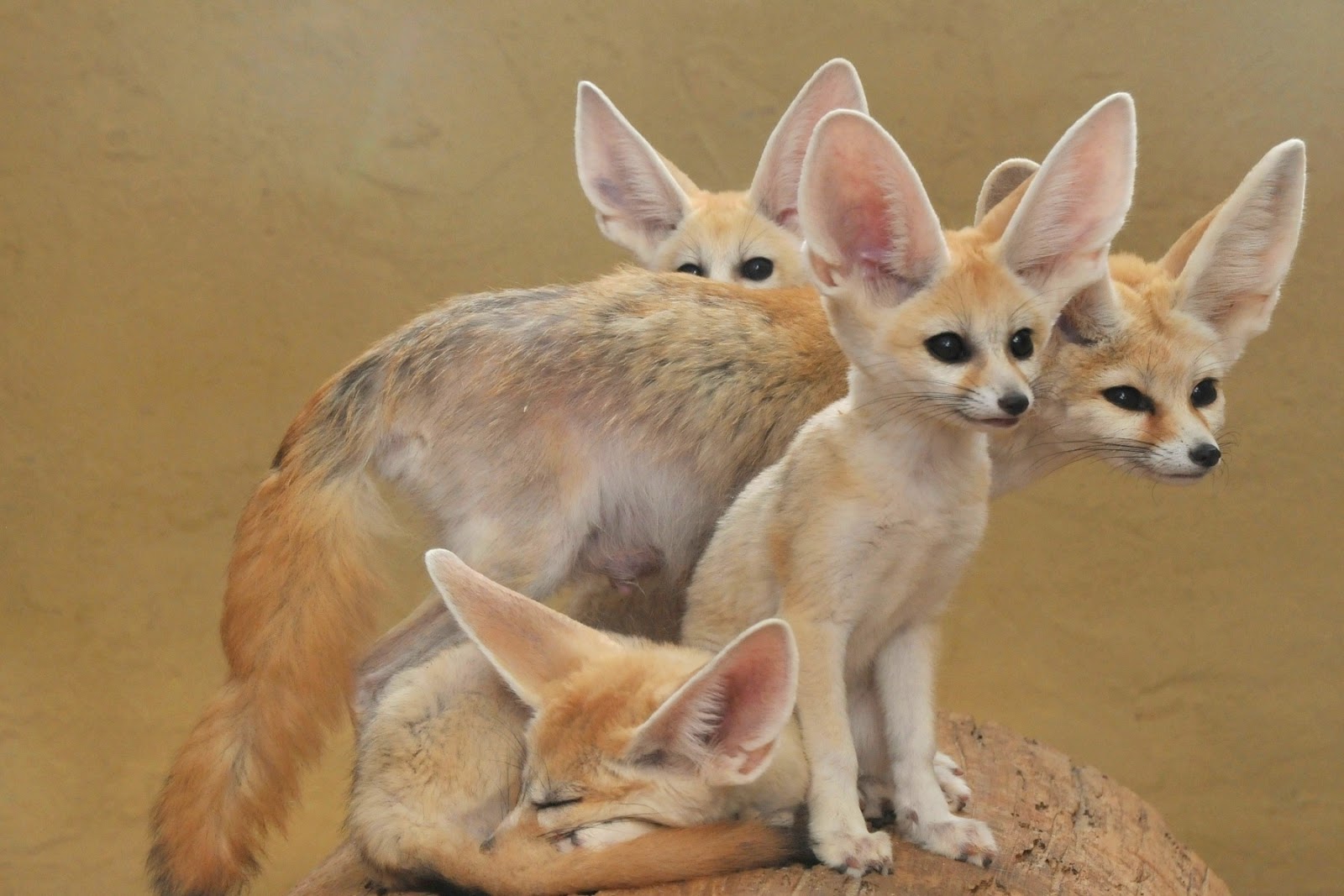
Many warm blooded mammals, like these Fennec Foxes, have very large ears so they can regulate their body temperature. Most desert animals are nocturnal, so they can hide during the intense heat of the day and take advantage of the cooler temperatures at night.


The temperature in a desert may be scorching while the sun is out, but at night, temperatures are drastically lower.


Many deserts receive nearly all their annual rainfall in a single season, or even just one rainstorm.  Desert rainstorms can be massive, and very violent.


The plants and animals of the desert will store every precious drop of water they can and use it to survive and thrive in this harsh environment.


Wednesday, June 12, 2013

Rainforests

 
Rainforests are forests that have a high volume of rainfall, normally between 70 and 80 inches per year. Tropical rainforests are treasure troves of life, with an abundance of plants and animals. Because of the tropical climate, plants and animals in a tropical rainforest can thrive and grow all year round.  


Rainforests cover only about 6-7% of the Earth's total land area, but they are home to nearly half of its plants and animals. A single square mile of rainforest can be home to over 50,000 species of insects, 375 species of plants, 180 species of trees, and 100 species of birds. The plants in rainforests are responsible for over 28% of the Earth's total oxygen supply.


Most of the time when we talk about rainforests, we are referring to tropical rainforests, but there are also temperate rainforests in many other parts of the world, including the Western United States. 


Saturday, June 1, 2013

Oceans


Over 71% of the Earth's surface is covered by oceans, but only about 5% of the ocean has been explored. Nearly 50% of the known species on the planet live in the ocean, but scientists discover new species in nearly every deep sea exploration expedition.


The ocean is vital to the health of the planet. Nearly 50% of the oxygen in the atmosphere is produced by tiny plants in the ocean called phytoplankton.


While the ocean may seem like just a vast expanse of blue, there is a thriving ecosystem full of abundant and diverse life just below the surface.